Medically reviewed by Mr. Pratik Masal, MBA (Healthcare Management) · Last reviewed 21 Oct 2026
A calm, low-stimulation environment is not a luxury in rehabilitation — it is clinically active. Noise, crowding and unpredictability measurably worsen agitation in dementia and psychotic symptoms in schizophrenia, and they impair the sleep on which all recovery depends.
Sleep is the foundation
Almost nothing in psychiatric or neurological recovery works properly on broken sleep. Mood, cognition, pain threshold, impulse control and immune function all degrade. A quiet ward with dark nights and light mornings does more than most people credit.
Why gardens keep appearing in the evidence
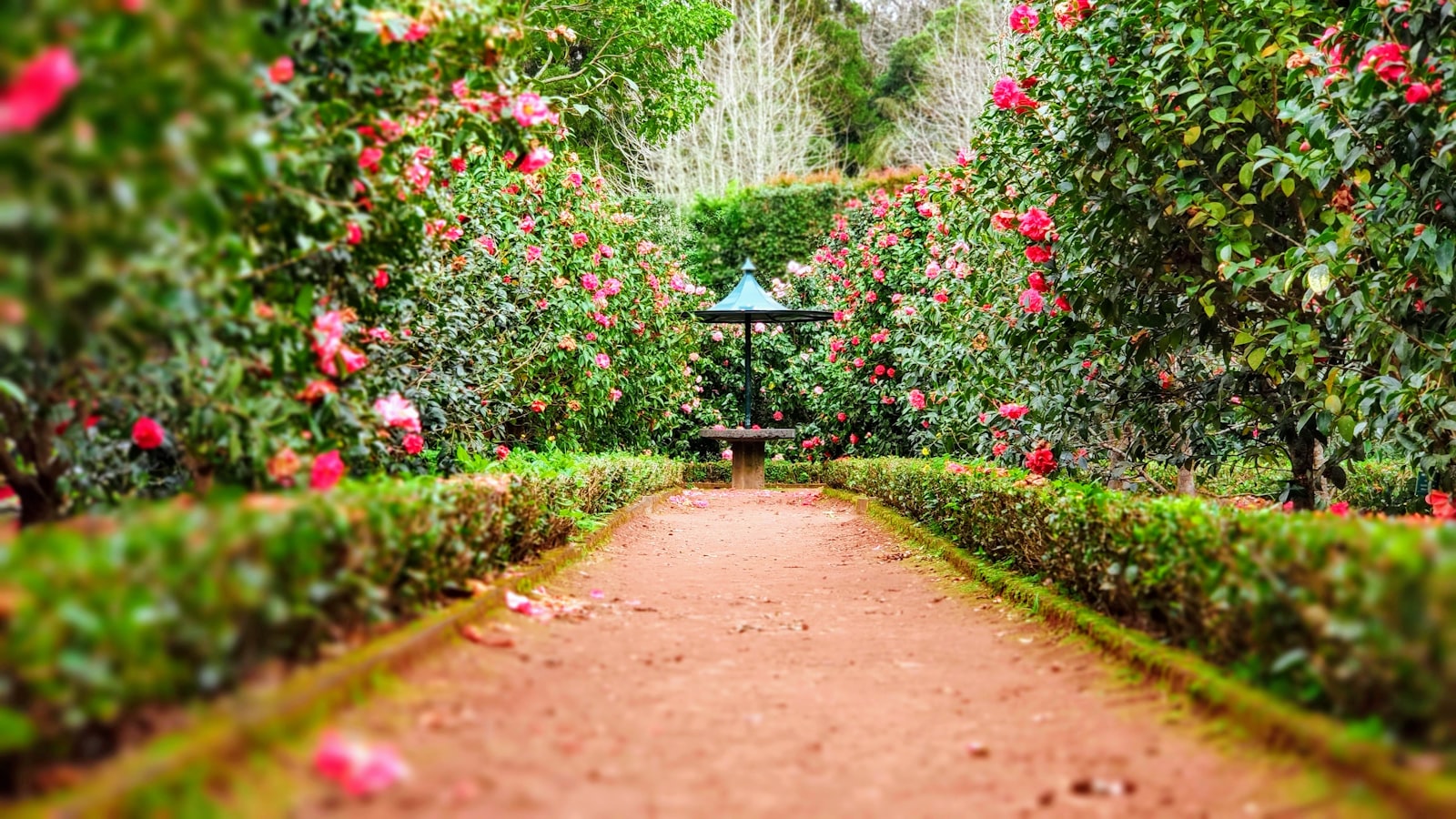
Access to greenery and daylight is associated with lower agitation, better mood and improved sleep — partly through light exposure regulating the circadian rhythm, partly through the simple restoration of walking somewhere pleasant. It is one of the reasons therapy gardens are standard in well-designed dementia care rather than an aesthetic flourish.
What "serene" should not mean
It should not mean isolated, under-staffed or clinically thin. A beautiful facility with no physician oversight is a hotel. The environment supports the clinical work; it does not replace it. Ask any facility you visit about staffing ratios and medical supervision — and be wary if the answer is a tour of the gardens.